
30 Oct 2026
Post by Seraphiel
In your quest to build the ultimate gaming PC, understanding the motherboard’s role is critical. This essential component not only connects your hardware but also greatly influences how well your system performs. This guide will explore how a motherboard affects gaming and why selecting the right one is key.
Introduction
The motherboard is the unsung hero of computer hardware, tying together all your components like the CPU, RAM, and graphics card into a cohesive, functioning unit. As the centerpiece of your gaming setup, its importance cannot be overstated. The right motherboard unlocks potential for power, efficiency, and future upgrades, facilitating the high performance required in today’s gaming.
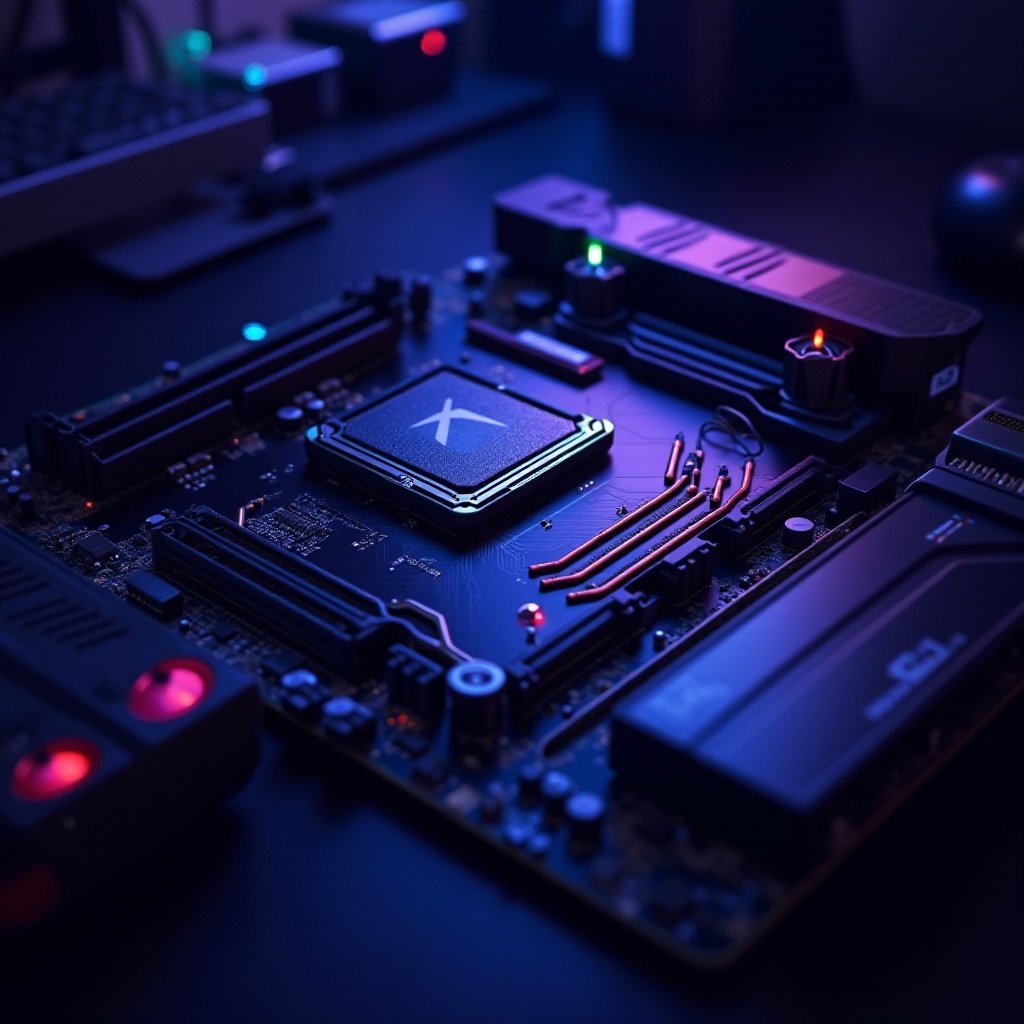
Understanding the Motherboard’s Role in Gaming
A motherboard is technically complex yet plays a straightforward role in connecting and controlling a computer’s operations. When we explore its importance in gaming, the motherboard emerges as a crucial component that governs not just compatibility, but also the performance potential of the entire system.
What is a Motherboard?
Fundamentally, a motherboard is the PC’s central platform, allowing communication between the CPU, RAM, storage, and other peripheral devices. It establishes the framework for all system components to interact effectively, ensuring a seamless operation vital for gaming.
Key Components of a Motherboard
Several critical components reside on the motherboard, each holding the key to unlocking your gaming PC’s potential. These include:
– Chipset: Acts as the communication center and traffic controller for the entire system.
– CPU Socket: Specifies which processors are compatible with your motherboard.
– RAM Slots: Determine the type and maximum amount of memory the system can utilize.
– Expansion Slots (PCIe Slots): Host graphics cards and other expansion cards, pivotal for upgrading performance.
Understanding these components allows gamers to better assess how the motherboard will interact with other parts, guiding informed decisions about future upgrades or changes.
The Impact of Motherboard on Gaming Performance
A motherboard profoundly influences the peak potential of a gaming system. Let’s explore how this component affects key aspects like processor and graphics card integration, memory upgrades, and chipset capabilities.
CPU and GPU Compatibility
One of the primary functions of the motherboard is to ensure seamless compatibility with CPUs and GPUs. The CPU socket and the PCIe slots must align with your intended hardware purchases; otherwise, your components simply won’t function, or they may underperform.
RAM Support and Expansion Capabilities
Your motherboard dictates the types and amounts of RAM that can be installed. Greater RAM capacity can enhance multitasking and reduce game load times. The importance of having extra RAM slots cannot be understated, as they offer pathways to expand your system’s capabilities in the future.
The Importance of Chipset Selection
The chipset significantly influences performance by determining connectivity options and features such as overclocking and the number of available USB ports. Carefully choosing a chipset that matches your gaming needs ensures the system functions optimally and leaves room for upgrading.
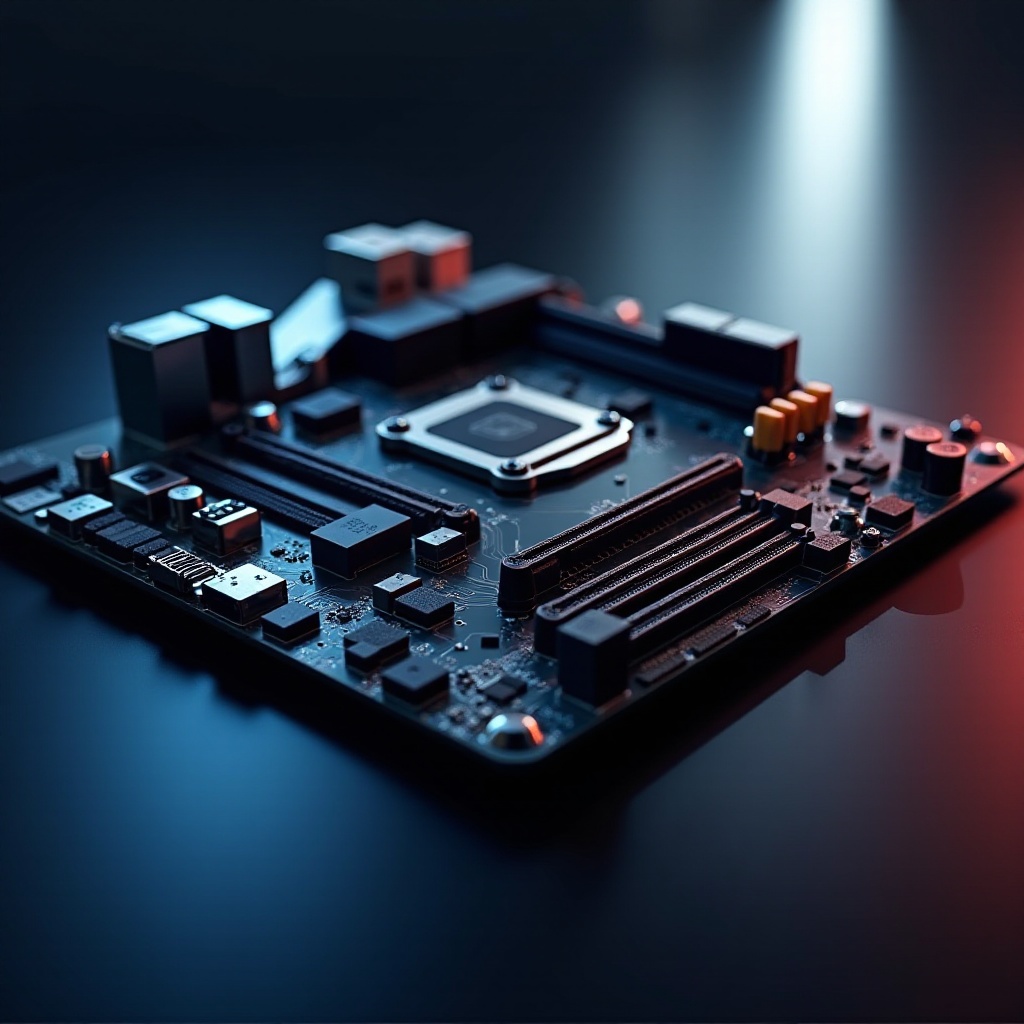
Crucial Features of a Gaming Motherboard
While compatibility is critical, what truly defines a gaming motherboard are its features. These determine how much you can extract from your system, both in terms of performance and user experience.
Overclocking Capabilities
For gamers looking to extract every ounce of performance from their CPUs and GPUs, overclocking is indispensable. Not all motherboards support this feature, so selecting one that does can greatly boost your system’s power.
VRMs and Cooling Solutions
Voltage Regulator Modules (VRMs) are crucial for effective power delivery, particularly during intensive tasks like gaming. A motherboard equipped with quality VRMs ensures stable power to the CPU, enhancing performance stability. Additionally, robust cooling solutions are necessary to maintain optimal temperatures during prolonged gaming sessions.
Expansion Slots and Future-Proofing
When investing in a gaming motherboard, consider how many expansion slots are available. More slots mean more room for future upgrades such as additional GPUs, sound cards, or other peripherals. This foresight can save you from having to replace your motherboard as gaming demands intensify.
Motherboard’s Effect on Gaming Experience
Motherboards directly affect various technical aspects such as storage speed, sound quality, and overall connectivity, all of which culminate in the gaming experience itself.
Data Transfer Rates and Storage Options
Modern motherboards provide slots for both SATA and faster NVMe SSDs, directly affecting data transfer speeds. Faster drives reduce game loading times, making them a vital aspect of an enhanced gaming experience.
Audio and LAN Quality Considerations
Audio quality and internet connectivity are pivotal in gaming. Many gaming motherboards come with advanced sound cards and high-speed LAN connections to deliver crisp sound and unfaltering online performance, crucial for immersive gaming.
BIOS/UEFI for Gaming Optimization
Through the motherboard’s BIOS/UEFI, users can fine-tune various system settings, optimizing performance and ensuring all components run efficiently. This includes managing fan speeds, voltage parameters, and enabling secure boot processes which are essential for a secure and high-performance gaming environment.
Comparing Budget and High-End Motherboards for Gaming
Selecting a motherboard often comes down to weighing performance against budget. Budget options provide basic functionality and decent performance, making them suitable for casual gamers. On the other hand, high-end motherboards cater to enthusiasts who seek top-tier performance, advanced features, and the flexibility to handle future advancements in gaming technology.
Top Motherboard Brands for Gamers in 2024
Brand reputation is a good indicator of quality and reliability. The top brands recognized for gaming motherboards include:
- ASUS: Known for their innovation and top-notch performance features.
- MSI: Offers a balance of quality and affordability with a focus on performance.
- Gigabyte: Provides durable motherboards with competitive pricing options.
Choosing from these trusted brands ensures you’re getting a product backed by quality and service guarantees.
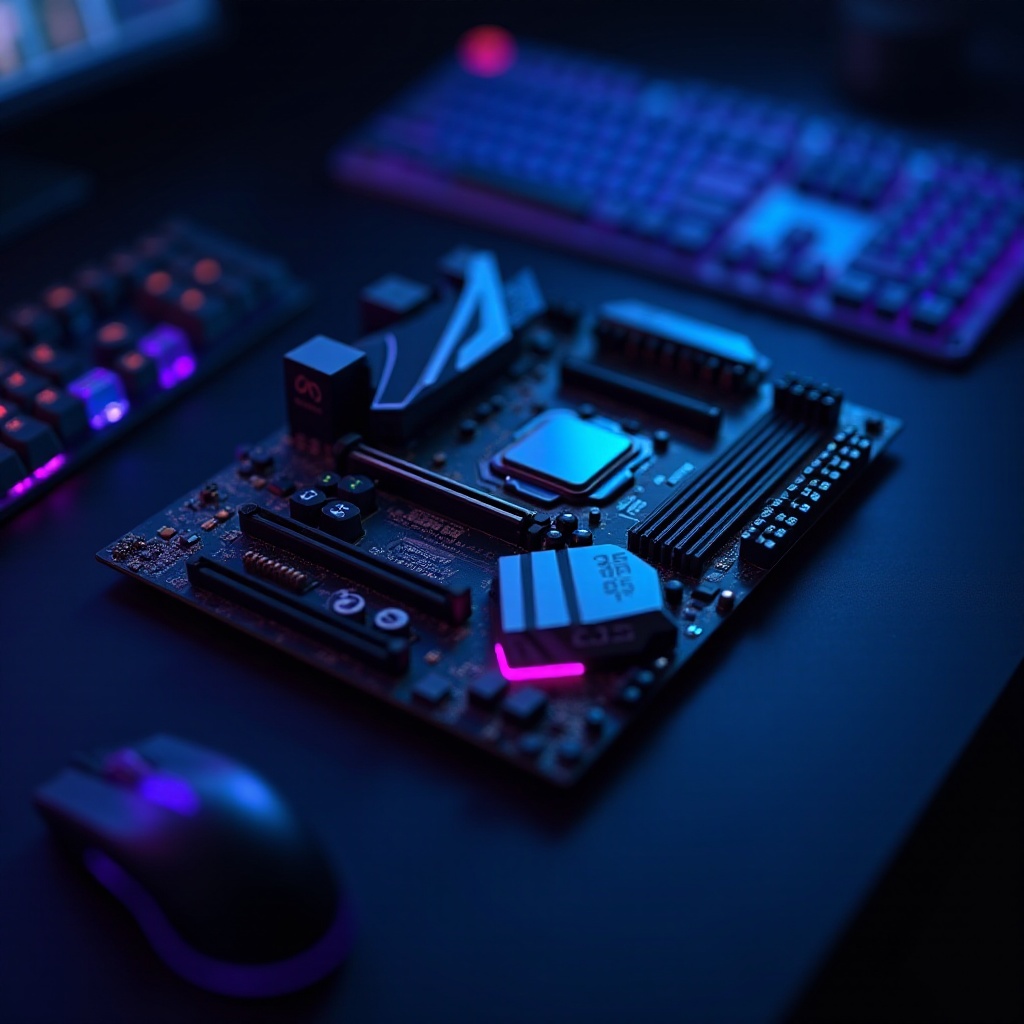
Debunking Common Misconceptions
One common misconception is that motherboards directly influence FPS. While they don’t affect frame rates directly, they ensure that all other components perform efficiently, which contributes to a smoother gaming experience. Understanding the motherboard’s role and limitations helps in setting realistic expectations about what upgrades will enhance your gaming setup best.
Conclusion
Ultimately, a motherboard sets the stage for your entire gaming system’s performance. It not only dictates compatibility and functionality but also charts the course for future upgrades. For those serious about gaming, investing in a quality motherboard is essential; it’s the bridge between simply running a game and truly enjoying it to its fullest potential.
Frequently Asked Questions
Does a motherboard affect FPS in gaming?
No, a motherboard doesn’t directly impact FPS. However, it supports components like CPU and GPU, which are crucial for frame rates.
Is it necessary to upgrade the motherboard for a new GPU?
Not always. Ensure compatibility first. If the current motherboard supports the GPU specifications you aim for, no upgrade is necessary.
How to select a future-proof motherboard for gaming?
Look for modern chipsets, extensive RAM support, multiple PCIe slots, and robust cooling solutions to ensure the motherboard stays relevant as technology evolves.