10 Jul 2026
Post by Seraphiel
Introduction
Selecting the ideal motherboard is essential for maximizing your music production setup’s potential. Motherboards serve as the backbone that connects all crucial computer components, affecting everything from audio fidelity to processing capacity. Musicians benefit from an ATX motherboard tailored for music production, which can significantly boost workflow and creativity. This article explores fundamental features to consider and recommends the top ATX motherboards for 2024.
Key Features to Consider
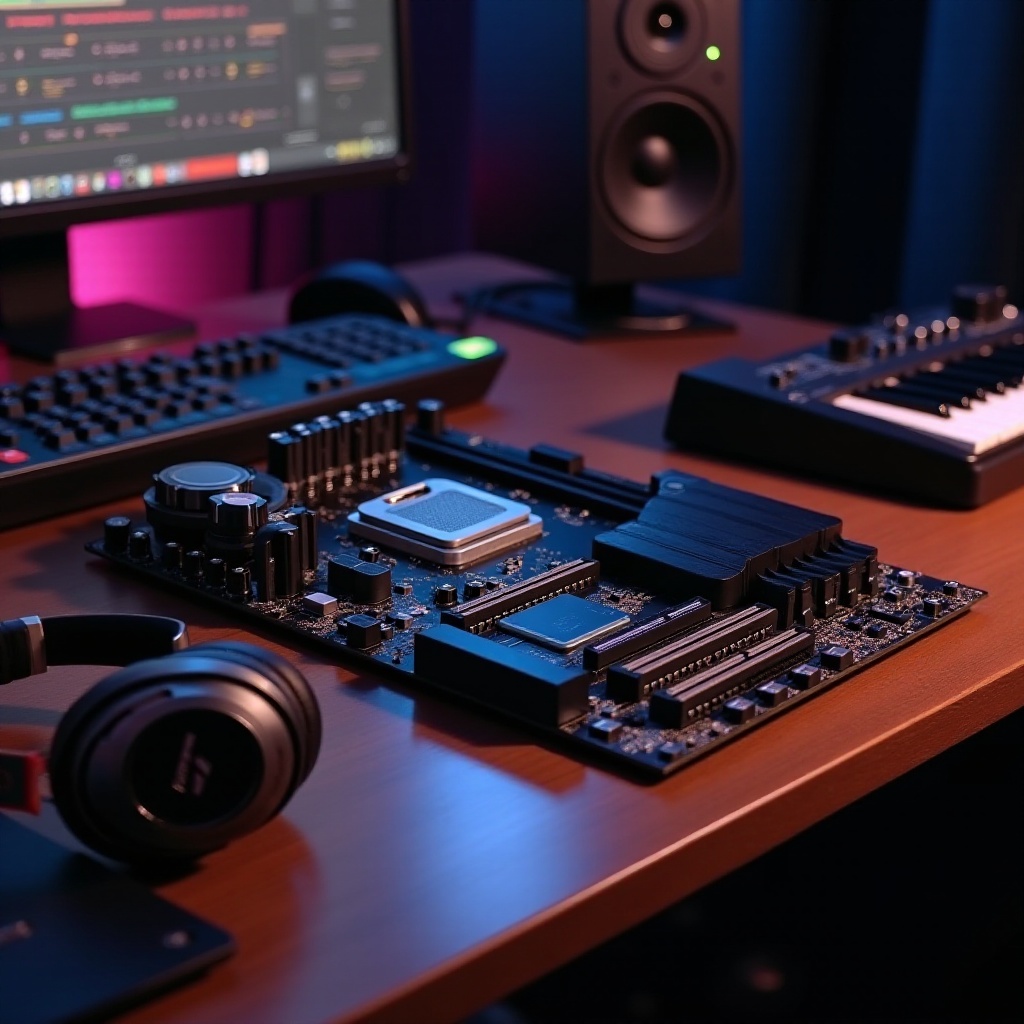
Choosing an ATX motherboard for music production involves analyzing several critical features that contribute to an efficient audio creation experience.
-
RAM Compatibility and Support: Sufficient RAM support is vital since music production software tends to be resource-intensive. Look for motherboards that support a minimum of 32GB RAM or more to allow seamless operation of multiple plugins and tracks.
-
CPU Compatibility: The motherboard must support your chosen processor, ensuring it provides adequate power for demanding production tasks. Compatibility with the latest Intel or AMD processors is ideal to prevent bottlenecking.
-
Audio Performance and Interface Options: Onboard sound quality enhancement is crucial. Motherboards with PCIe slots for dedicated sound cards or external interfaces may be necessary for professional audio processing. Those with noise-canceling features and high-definition audio codecs are preferable.
-
Connectivity Options: USB and Thunderbolt: The inclusion of multiple USB ports, particularly USB-C, and Thunderbolt support, is essential for connecting external devices like MIDI controllers, audio interfaces, and storage solutions. Ensure comprehensive connectivity for all your peripherals.
Understanding these features sets a firm foundation for making an informed choice. Up next, we delve into specific ATX motherboards designed for music production in 2024.
Top ATX Motherboards for Music Production in 2024
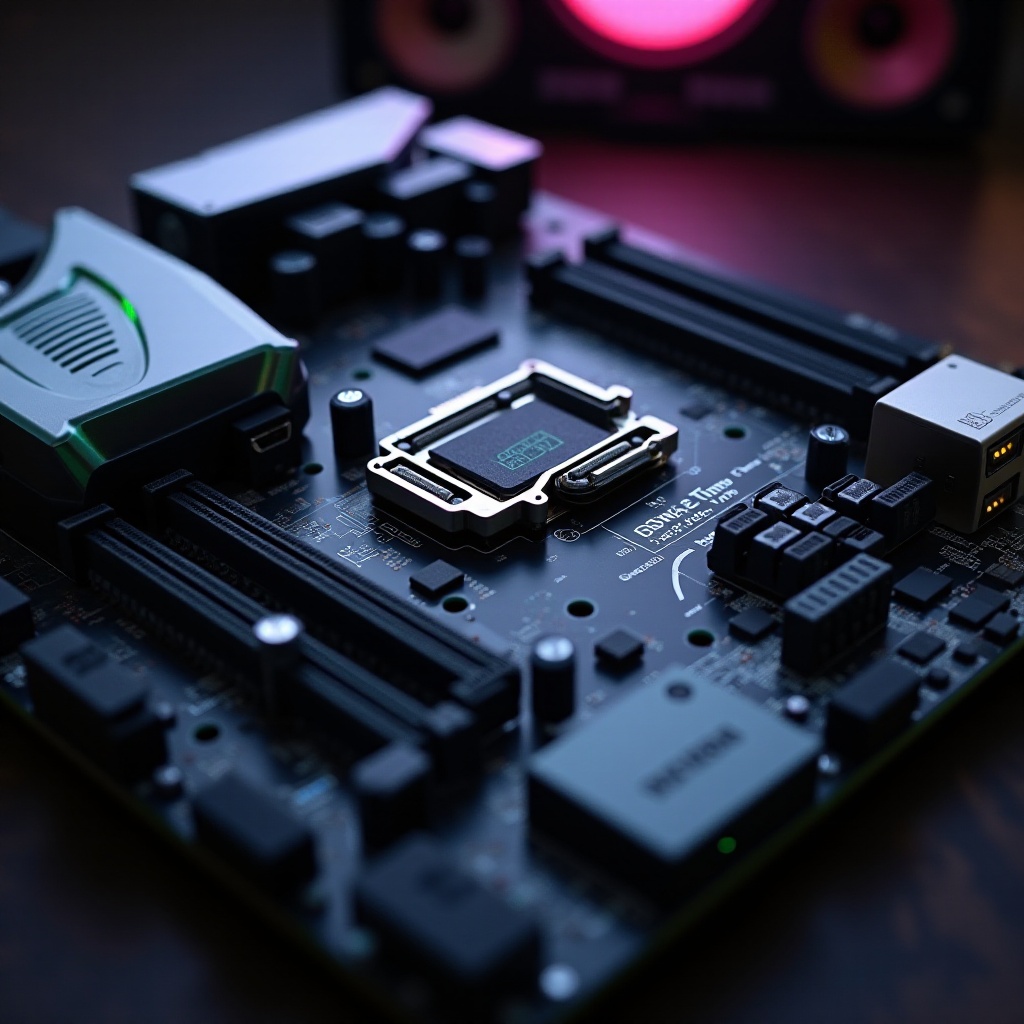
Here we introduce top models, catering to distinct needs and budgets, ensuring an option suitable for every music producer.
-
Model A: MSI MPG X570 Gaming Pro Carbon WiFi: Known for robust VRM design, this model offers an array of USB connectivity options and supports AMD Ryzen processors. It excels in thermal performance and includes Wi-Fi 6 support but comes with a higher price tag.
-
Model B: ASUS ROG Strix Z590-E: Renowned for its outstanding audio performance, it supports Intel’s newest processors, combining high-speed connectivity with Wi-Fi 6E and ample USB ports. It offers efficient cooling but lacks some advanced overclocking features found in higher-end models.
-
Model C: Gigabyte Z490 Vision D: With impressive audio capabilities and dual Thunderbolt 3 ports for fast data transfer, it’s designed for creators needing reliable connectivity. Its design and build are exceptional, though it may exceed the needs of beginners.
These models present a range of functionalities to suit diverse production scenarios. Now, let us examine the technical considerations crucial to musicians.
Technical Considerations for Musicians
Music production entails specific technical enhancements to ensure efficient output and creativity flow.
-
Reducing Latency: Latency can disrupt productivity. Opt for motherboards with advanced latency control features to maintain crisp playback and synchronization with your production timeline.
-
Overclocking for Performance: If maximum performance is necessary, seek motherboards that support overclocking to push CPUs and RAM beyond standard limits. Consider robustness in power phases and cooling solutions to sustain system integrity during prolonged sessions.
-
Enhanced Audio Quality: While onboard audio solutions have advanced considerably, for outstanding sound fidelity, consider models with high-end audio codecs like Realtek’s ALC1220, designed for audiophiles.
By optimizing these elements, musicians can create an ideal environment for producing high-grade tracks. Next, we cover practical buying tips to ensure an informed decision.
Buying Tips for 2024
Selecting the appropriate motherboard extends beyond technical specifications; real-world factors significantly influence the decision.
-
Budget Considerations: Set a clear budget to refine options. While premium models offer extensive features, mid-range motherboards also deliver commendable performance for cost-conscious individuals.
-
Warranty and Customer Support: Choose brands known for reliable customer service and solid warranty coverage. This assurance proves crucial in resolving technical issues swiftly, thus minimizing disruptions.
-
Brand Reliability: Opting for well-established brands with proven expertise in motherboard production mitigates risks, offering products that endure extensive use effectively.
Armed with this knowledge, you’re prepared to make a well-rounded purchase. Let us now summarize key takeaways and share concluding thoughts.
Conclusion
Identifying the best ATX motherboard for music production involves merging features, budgetary considerations, and personal requirements. A suitable motherboard guarantees the stability and performance necessary to realize your musical ambitions. By reflecting on the outlined features, top models, and technical facets, you’re adeptly positioned to make a well-informed choice that augments your music production capabilities.
Frequently Asked Questions
What makes an ATX motherboard ideal for music production?
An ideal motherboard should support large RAM capacities, compatible CPUs, and offer excellent audio and connectivity options for handling music production software effectively.
Can integrated sound cards on motherboards suffice for music production?
While integrated sound cards have improved, for professional-grade audio tasks, an external audio interface or a high-quality dedicated sound card is generally preferred.
What should my budget be for a music production motherboard?
Budgets vary widely, but spending between $200 and $400 typically provides a balance of performance and features suitable for most music production needs.