
14 Aug 2026
Post by Seraphiel
Introduction
Drones equipped with chainsaws represent a breakthrough in both technological advancement and practical application. Their emergence in 2024 marks a turning point as industries leverage their unique capabilities for tasks that require precision, speed, and safety. In this blog, we dive into the evolutionary journey of chainsaw drones, exploring their diverse applications, technological innovations, safety measures, and regulatory environment that shape their use today.
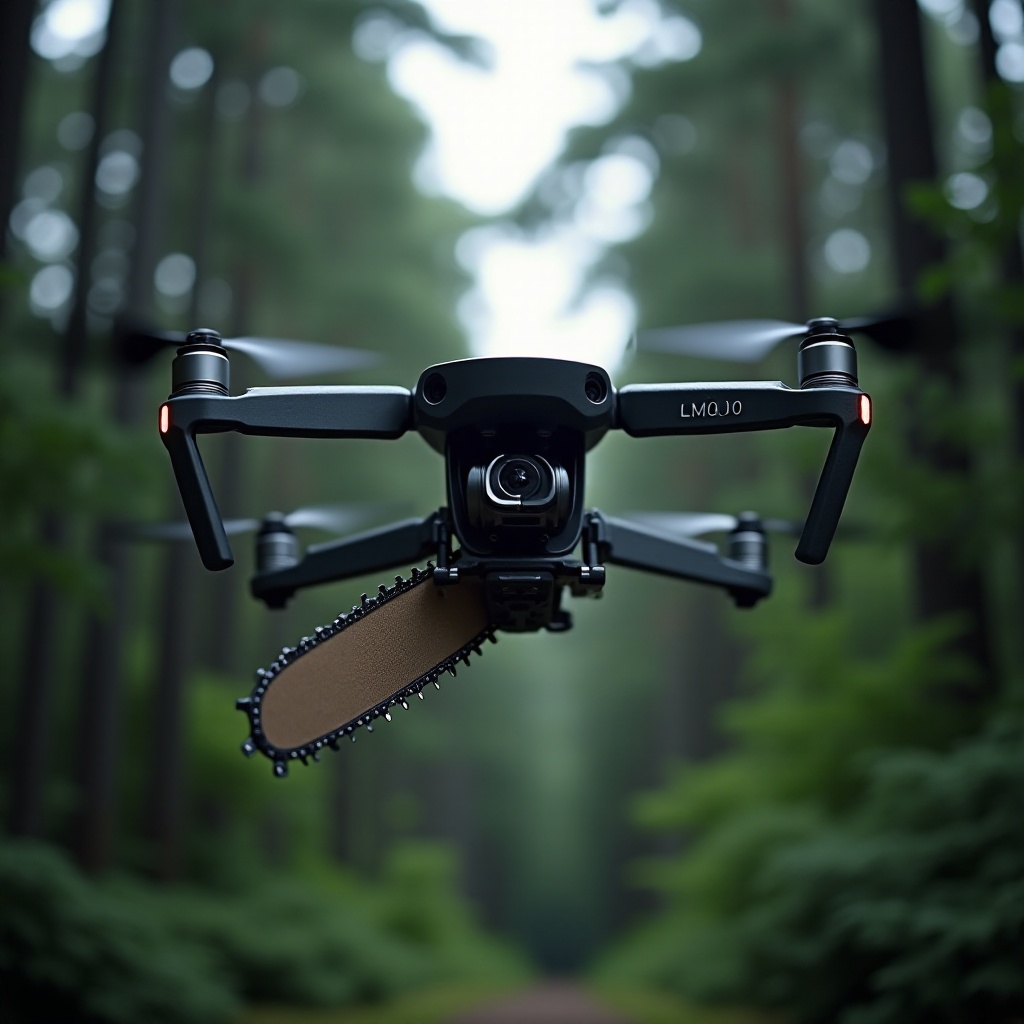
The Evolution of Chainsaw Drones
Originally seen as a futuristic concept, chainsaw drones have quickly transitioned from imagination to reality. Their evolution is fueled by an increasing demand for innovative solutions that integrate cutting-edge technology with traditional tasks.
-
From Concept to Reality: The Development Journey
Conceptualized to address challenges in dangerous work environments, chainsaw drones were propelled by collaborations between tech innovators and industry experts. These partnerships facilitated the transformation of theoretical designs into practical technology, capable of performing complex tasks with precision and safety. -
Key Technological Advancements in 2024
The year 2024 has witnessed remarkable advancements in chainsaw drone technology. Enhanced autonomous navigation systems, long-life batteries, and high-resolution sensors are some features permitting these drones to operate efficiently in diverse environments. Such innovations improve not only the drones’ performance but also the safety standards during their operation.
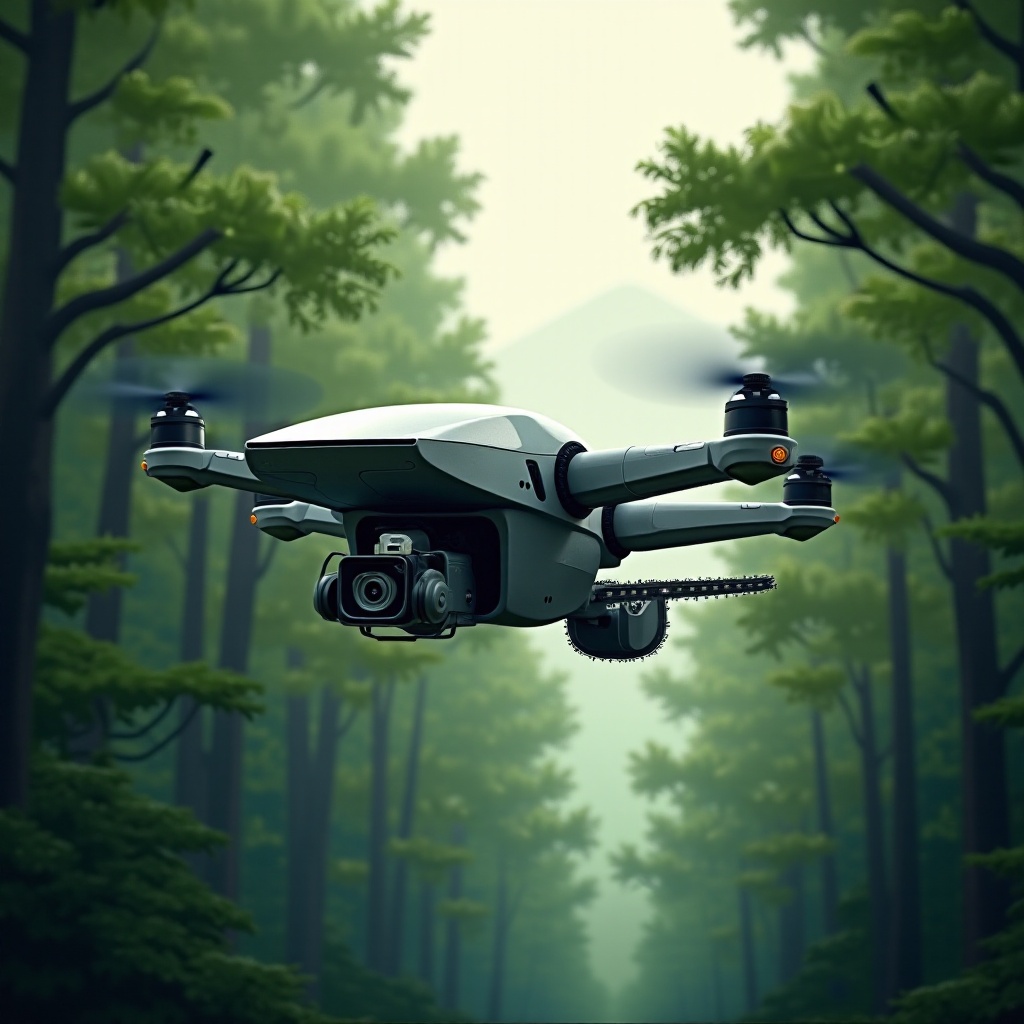
Practical Applications of Chainsaw Drones
Chainsaw drones have found applications across multiple industries by effectively mitigating risks and improving operational efficiency.
-
Efficiency in Forestry and Tree Management
In the forestry sector, chainsaw drones offer a significant advantage by safely reaching and pruning high-risk areas. Their precise cutting capabilities have reduced the dependency on human workers, minimizing accidents and promoting sustainable logging practices. -
Innovative Uses in Search and Rescue Operations
Search and rescue teams are deploying chainsaw drones to quickly clear debris and provide access to disaster-stricken areas. Their ability to fly and operate in difficult terrains speeds up rescue operations, saving lives and resources. -
Other Emerging Uses in 2024
Beyond forestry and rescue missions, chainsaw drones have expanded into urban settings. They play a crucial role in managing public green spaces, trimming high branches, and even participating in construction activities, illustrating their growing versatility.
Safety and Ethical Considerations
The rise of chainsaw drones brings about significant safety and ethical considerations that cannot be overlooked.
-
Addressing Public Safety Concerns
Safety remains a paramount concern with the deployment of chainsaw drones. Operators must be certified, ensuring they understand safety protocols and operational boundaries. Advanced safety features like automatic shutdowns and geofencing are essential in preventing accidents. -
Ethical Implications of Advanced Drone Technologies
The potential misuse of chainsaw drones for intrusive surveillance or unauthorized operations raises ethical dilemmas. Adopting clear regulatory guidelines and promoting responsible usage are crucial steps to mitigate these concerns and ensure technology serves its rightful purpose.
Regulatory Framework and Compliance
To harness the full potential of chainsaw drones, comprehensive regulatory measures are required to govern their operation and ensure public safety.
-
Current Regulations for Chainsaw Drones
The introduction of chainsaw drones has led to the establishment of robust regulations, focusing on maintaining high safety and ethical standards. Regulatory bodies worldwide, including the FAA, enforce stringent operational guidelines. -
Updates in Policy and Compliance for 2024
In response to evolving technologies, 2024 has seen updates in drone policies. These include enhanced requirements for licensing, regular safety inspections, and the adoption of new technologies to maintain compliance and public safety standards.
Technological Innovations and Future Prospects
The future of chainsaw drones looks promising with ongoing technological innovations driving their capabilities forward.
-
New Safety Features and Fail-Safe Mechanisms
With technological progression, new fail-safe mechanisms and redundancy systems have been integrated into chainsaw drones, ensuring they operate safely, even in unforeseen situations. These developments are critical in minimizing operational risks and enhancing user confidence. -
The Role of AI and Automation in Enhancing Drone Capabilities
Artificial intelligence plays a significant role in elevating the functionalities of chainsaw drones. AI-driven systems allow drones to autonomously adapt to changing environments, streamline operations, and perform tasks that were once unthinkable without human intervention, expanding their potential applications even further.
Conclusion
Chainsaw drones are at the forefront of technological innovation. Their ability to disrupt and enhance various industries by increasing safety and efficiency exemplifies their growing importance. As technology continues to evolve alongside comprehensive regulations, the possibilities for these drones are boundless, presenting fascinating prospects for the future.
Frequently Asked Questions
What industries benefit the most from chainsaw drones in 2024?
Chainsaw drones primarily benefit forestry, rescue, and construction industries by improving safety and operational efficiency.
What safety measures are in place for operating drones with chainsaws?
Operators undergo specialized training, and drones are equipped with fail-safes, geofencing, and real-time monitoring systems to ensure safety.
How has the regulatory landscape evolved for drones with chainsaws in 2024?
The 2024 regulatory framework includes enhanced licensing requirements, safety audits, and guidelines to accommodate technological advancements.